
A free football stream can feel like finding a secret door into a sold-out stadium. Then the screen fills with betting ads, fake download buttons, and pop-ups, and you start wondering is it legal to stream sports online if the site clearly isn’t an official broadcaster. The answer isn’t a simple yes or no. It depends heavily on your country, the rights involved, and what the service is actually doing.

1. Digital Copyright Laws Explain Why Free Sports Streams Can Be Illegal
Sports broadcasts aren’t just ordinary video files. Broadcasters pay substantial amounts for exclusive transmission rights, and unauthorized retransmission can violate copyright or related broadcasting protections. Indonesia’s Ministry of Law reaffirmed in April 2026 that sports broadcasting rights have economic value and are protected, including against unauthorized streaming and redistribution.
That makes streaming sports piracy fundamentally different from watching a legally uploaded highlight or a broadcaster’s free preview.
A useful rule of thumb is:
- Official broadcaster or licensed platform: generally lawful.
- Free stream authorized by the rights holder: lawful.
- Random site rebroadcasting a paid match without permission: potentially infringing.
- Someone restreaming a premium channel without authorization: a major red flag.
- Site asking you to install strange software to watch: legal concerns plus cybersecurity concerns.
If you’re unsure about licensing, check the broadcaster listed by the league, tournament, or sports federation in your country.
What Makes an Unofficial Stream Different?
The problem isn’t simply that the stream is free. A rights holder may intentionally offer free coverage.
The issue is authorization.
A website that captures a paid broadcast and retransmits it without permission is doing something very different from a fan watching an official free stream.
The U.S. government, for example, has recently seized hundreds of domains used to illegally broadcast 2026 World Cup matches. By July 2026, the Department of Justice said more than 1,000 domains had been seized across several actions.
Why Streaming Sports Piracy Gets More Attention Than Ordinary Viewing
Live sports have a short commercial lifespan. A match happening right now is worth far more than the same match after the final whistle.
That’s why enforcement can be aggressive.
In June 2026, Europol reported an international operation that dismantled nine criminal networks distributing premium sports and other copyrighted streams, with more than 27,000 illegal streaming URLs removed.
Does Watching Make You the Same as the Operator?
Not necessarily.
There’s an important difference between operating an unauthorized service, redistributing copyrighted broadcasts, and merely accessing a stream. Laws vary considerably between countries, so there’s no universal rule saying every viewer faces the same penalty.
In the United States, for example, the Protecting Lawful Streaming Act specifically strengthened criminal penalties for providers operating illegal commercial streaming services rather than simply treating ordinary viewers as equivalent to those operators.
What About VPNs and Geo Restricted Sports?
A VPN doesn’t magically turn an unauthorized broadcast into an authorized one.
If a broadcaster legitimately owns rights in your region, changing your apparent location may also violate that service’s terms.
The safer approach is to find the licensed broadcaster available where you actually live. If you’re confused about whether a live broadcast requires additional licensing, this guide on whether you need a TV license for YouTube Live provides useful context around licensing and online broadcasts.
2. IP Tracking Risks Can Be Worse Than the Legal Headache
The legal question gets most of the attention, but the technical risk can be much nastier.
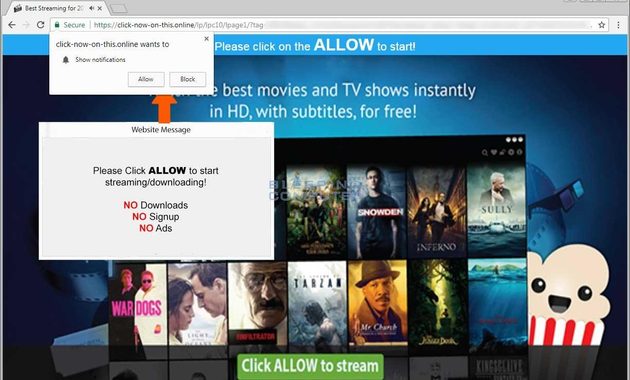
Unofficial broadcast sites often depend heavily on aggressive advertising, redirects and questionable third-party scripts. Europol has specifically warned that illegal streaming infrastructure can expose users to malware, spyware, data theft and other forms of online exploitation.
So ip tracking risks aren’t the only concern.
Watch for:
- fake browser update notices
- unexpected APK or EXE downloads
- repeated redirects
- fake “Play” buttons
- requests for card details
- browser notification spam
- suspicious extensions
- pages demanding unnecessary personal information
The U.S. Department of Justice also warned in its 2026 World Cup enforcement announcements that illicit streaming sites can expose viewers to malware and insecure connections capable of compromising personal or financial information.
A stream freezing for ten seconds is annoying. Having your browser session hijacked is another story.
3. Unofficial Broadcast Sites Are Easy to Spot Once You Know the Signals
A legitimate sports platform usually wants you to know who owns the service. Unofficial broadcast sites often hide behind layers of redirects, constantly changing domains and vague branding.
Here’s the practical checklist I’d use before pressing play:
1. Check the source.
Start from the official league, tournament, club, broadcaster or streaming service website rather than a random search result.
2. Check the payment model.
A premium event being offered completely free by an unknown site deserves skepticism.
3. Don’t install anything just to watch.
A normal web stream shouldn’t require a mystery player, browser extension or executable file.
4. Never enter payment credentials on suspicious pages.
Especially when the site claims you must “verify” your card before viewing.
5. Treat excessive pop-ups as a warning.
One advertisement isn’t proof of piracy. A maze of redirects and fake buttons is a very different signal.
The biggest misconception is that legality is determined by whether you personally pay. It isn’t. A free stream can be perfectly legitimate, while a paid subscription to an unauthorized IPTV service can still involve infringing content.
And that’s the real answer to is it legal to stream sports online through an unofficial site: don’t assume that “I’m only watching” makes an unauthorized broadcast legal. The exact consequences depend on local law, but the safer choice is always a licensed source.


Thiago Valença has worked with community media projects, public cultural institutions, and digital content partnerships. He has helped audiences find free broadcasts of lectures, local festivals, public meetings, educational programs, and independent performances. His articles focus on legitimate free livestreams, open-access content, ad-supported services, and the warning signs of unsafe or misleading streaming websites.